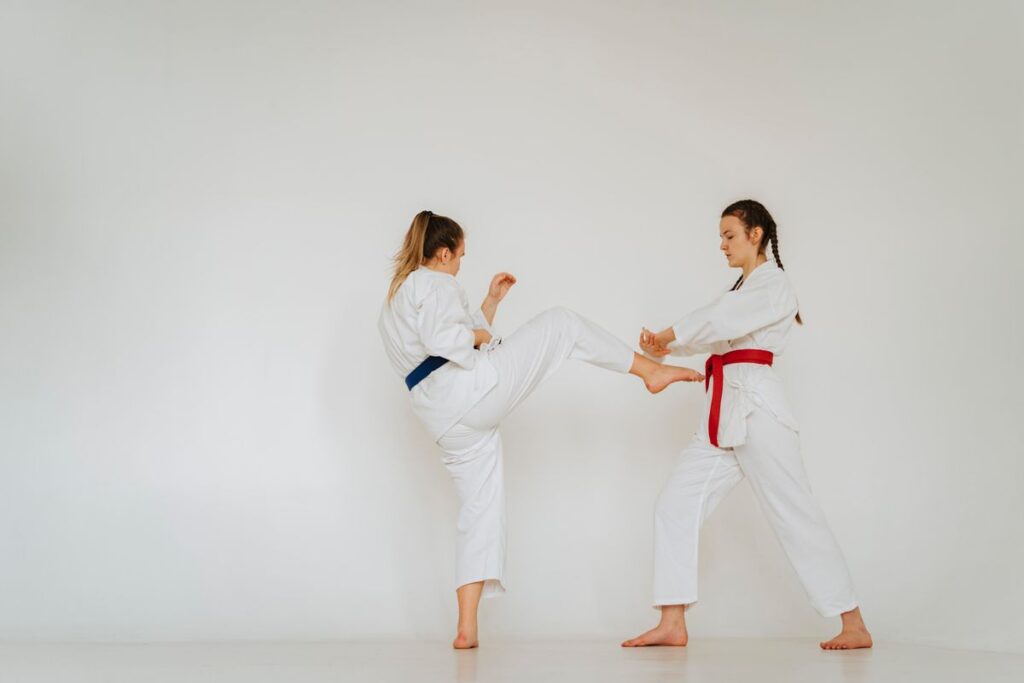
For a first-time participant, the biggest question is often not “Will I be able to do this?” but “What will the class actually ask me to do?” Good preparation makes a workshop easier to evaluate and more comfortable to attend.
Before the session
Read the course description and ask the organizer whether physical contact is part of the curriculum. Tell the instructor about relevant movement limitations only if you choose to disclose them, and ask for alternative exercises. Wear clothing and footwear recommended for the venue. If you are unsure about the safety of a technique, request a demonstration or a lower-impact option.
Common components
Programs differ, but many introductory workshops discuss awareness, personal boundaries, communication and how to seek help. Some include controlled partner exercises about distance, balance or movement. Others emphasize mental rehearsal and decision-making. A class should explain the purpose of an exercise rather than rely on fear or surprise.
Physical drills should be controlled
Students should be able to pause or decline contact. A responsible instructor makes clear whether movements will be practiced in the air, on pads or with consenting partners. Supervision, warm-ups, consent and explicit stop signals matter. A short workshop cannot substitute for regular skill development or tailored professional advice.
After class
Take notes on a small number of principles you want to remember, such as recognizing exits, contacting trusted people or speaking up when a boundary is crossed. Consider asking for reputable follow-up resources rather than trying to recreate high-impact drills on your own. The objective is usable knowledge—not completing every exercise.
A broader understanding of safety
Safety is influenced by communities, institutions and the behavior of potential aggressors. No one is obligated to fight, confront a person or take risks to prove confidence. The National Sexual Violence Resource Center explains why primary prevention must not place responsibility for violence on those targeted by it.
Before enrolling, read how to select a women’s self-defense instructor.